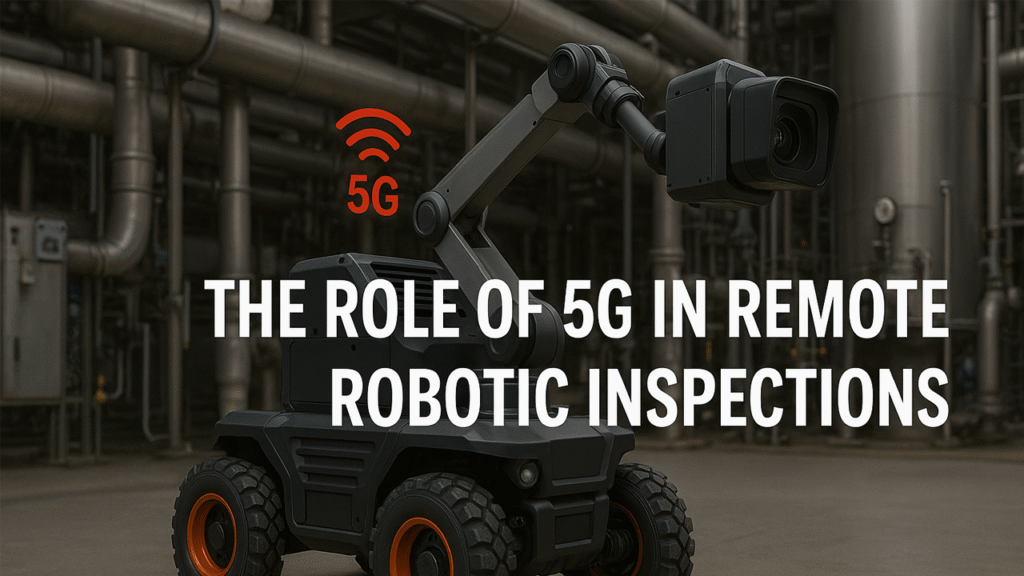
The Role of 5G in Remote Robotic Inspections: Revolutionizing Industrial Operations
The convergence of 5G technology and robotic systems is fundamentally transforming how industries approach remote inspections, maintenance, and monitoring. As organizations worldwide seek to enhance operational efficiency while reducing human exposure to hazardous environments, the marriage of ultra-fast, low-latency 5G networks with sophisticated robotic platforms is creating unprecedented opportunities for remote operations across multiple sectors.
The 5G Advantage: Beyond Speed
While 5G’s impressive data speeds often capture headlines, its true value in robotic applications lies in its ultra-low latency, massive device connectivity, and network reliability. These characteristics are essential for real-time robotic control, where even milliseconds of delay can mean the difference between successful operation and catastrophic failure.
Traditional cellular networks introduce latency that makes real-time robotic control challenging, particularly for precision tasks. 5G networks reduce this latency to as low as 1 millisecond, enabling operators to control robots thousands of miles away with near-instantaneous response times. This breakthrough has profound implications for industries requiring detailed inspections in dangerous or inaccessible locations.
The enhanced bandwidth of 5G networks also supports the transmission of high-definition video feeds, detailed sensor data, and complex telemetry simultaneously. This multi-stream capability allows operators to receive comprehensive situational awareness while maintaining precise control over robotic systems, creating an immersive remote operation experience that was previously impossible.
Industrial Applications Transforming Operations
The oil and gas industry has emerged as an early adopter of 5G-enabled robotic inspections. Offshore platforms, refineries, and pipeline networks present significant safety challenges for human inspectors. Remote robotic systems equipped with 5G connectivity can now perform detailed visual inspections, thermal imaging, gas leak detection, and structural assessments without putting personnel at risk.
These robotic systems can navigate complex industrial environments, climbing structures, crawling through pipes, and accessing confined spaces that would be dangerous or impossible for human inspectors. The real-time data transmission enabled by 5G allows expert operators to make immediate decisions, identify potential issues before they become critical failures, and coordinate maintenance activities with unprecedented precision.
In the power generation sector, 5G-connected robots are revolutionizing wind turbine inspections. Traditional methods require shutting down turbines and deploying specialized technicians with climbing equipment, resulting in significant downtime and safety risks. Remote robotic systems can now inspect turbine blades, nacelles, and towers while turbines remain operational, using high-resolution cameras and specialized sensors to detect micro-cracks, erosion, and other potential issues.
Nuclear facilities represent another critical application area where 5G-enabled robotic inspections provide enormous value. The ability to remotely inspect reactor components, cooling systems, and containment structures without human exposure to radiation has significant safety implications. These systems can operate in environments with radiation levels that would be lethal to humans, providing detailed inspection data while maintaining complete operational safety.
Technological Integration and Capabilities
Modern 5G-enabled inspection robots integrate multiple advanced technologies to provide comprehensive assessment capabilities. High-resolution cameras provide detailed visual documentation, while thermal imaging sensors detect temperature anomalies that might indicate equipment failure or energy inefficiency. Ultrasonic sensors can identify structural defects, corrosion, and material degradation that aren’t visible to conventional cameras.
Artificial intelligence and machine learning algorithms process sensor data in real-time, automatically identifying potential issues and alerting operators to anomalies. This intelligent processing reduces the cognitive load on human operators while ensuring that critical problems are identified immediately. Advanced pattern recognition can detect subtle changes in equipment condition over time, enabling predictive maintenance strategies that prevent failures before they occur.
The integration of augmented reality displays provides operators with enhanced situational awareness, overlaying critical information directly onto the robot’s camera feed. This technology allows operators to see equipment specifications, maintenance history, and operational parameters while controlling the robot, creating a rich information environment that supports informed decision-making.
Economic Benefits and Efficiency Gains
The economic advantages of 5G-enabled robotic inspections extend far beyond the obvious cost savings from reduced personnel deployment. The ability to conduct more frequent inspections without shutting down operations provides significant value through improved equipment reliability and reduced unplanned downtime.
Traditional inspection schedules are often constrained by the logistical challenges and costs of deploying human inspectors. Remote robotic systems eliminate these constraints, enabling condition-based inspection schedules that optimize maintenance timing and resource allocation. This flexibility allows organizations to shift from reactive maintenance models to predictive approaches that maximize equipment lifespan and operational efficiency.
The detailed documentation capabilities of robotic systems also provide long-term value through comprehensive historical records. Digital inspection reports, complete with high-resolution imagery and sensor data, create valuable databases that support trend analysis, equipment lifecycle management, and regulatory compliance activities.
Overcoming Technical Challenges
Despite the significant advantages of 5G-enabled robotic inspections, several technical challenges must be addressed to ensure successful implementation. Network coverage in remote industrial locations can be limited, requiring careful planning and potentially supplementary infrastructure investment. Edge computing solutions are increasingly important for processing critical data locally when network connectivity is intermittent.
Battery life and power management remain critical considerations for mobile robotic systems. While 5G connectivity enables sophisticated capabilities, it also increases power consumption. Advanced power management systems and efficient battery technologies are essential for ensuring that robots can complete inspection tasks without power interruptions.
The integration of multiple sensor systems and data streams requires sophisticated data management and processing capabilities. Organizations must develop robust data architectures that can handle the volume and variety of information generated by modern inspection robots while ensuring data security and regulatory compliance.
Safety and Regulatory Considerations
The deployment of 5G-enabled robotic inspection systems requires careful attention to safety protocols and regulatory requirements. While these systems significantly reduce human exposure to hazardous environments, they introduce new safety considerations related to autonomous system operation and network security.
Cybersecurity becomes particularly critical when robotic systems are connected to high-speed networks and operating in critical infrastructure environments. Robust security protocols, encrypted communications, and secure authentication systems are essential for protecting both the robotic systems and the industrial facilities they inspect.
Regulatory frameworks are evolving to address the unique challenges and opportunities presented by remote robotic operations. Organizations implementing these systems must work closely with regulatory bodies to ensure compliance while advocating for updated standards that recognize the safety and efficiency benefits of robotic inspections.
Future Developments and Emerging Technologies
The integration of 5G technology with robotic inspection systems continues to evolve rapidly, with several emerging technologies promising to further enhance capabilities. The development of 5G network slicing allows organizations to create dedicated network segments optimized for robotic operations, ensuring consistent performance and security.
Advanced haptic feedback systems are being developed to provide operators with tactile sensations during remote operations. This technology will enable more sophisticated manipulation tasks and provide operators with a more intuitive understanding of the physical environment the robot is operating in.
Swarm robotics represents another exciting development, where multiple robots work collaboratively to inspect large or complex facilities. 5G networks provide the communication infrastructure necessary to coordinate these multi-robot operations, enabling comprehensive inspections that would be impossible with single robot systems.
Industry-Specific Applications
The maritime industry is experiencing significant benefits from 5G-enabled robotic inspections. Ship hull inspections, which traditionally require dry-docking or dangerous underwater operations, can now be performed by remote-controlled underwater vehicles. These systems can inspect hull integrity, propulsion systems, and underwater equipment while vessels remain in service, reducing inspection costs and operational disruptions.
In the aerospace sector, 5G-connected robots are being used for aircraft maintenance inspections. These systems can access areas of aircraft that are difficult for human inspectors to reach, providing detailed documentation of structural components, engines, and control systems. The high-resolution imaging capabilities enabled by 5G bandwidth allow for detection of micro-cracks and other defects that might be missed during traditional visual inspections.
The telecommunications industry itself benefits from 5G-enabled robotic inspections of tower infrastructure. Remote robots can climb towers, inspect antennas, and assess structural integrity without requiring technicians to work at dangerous heights. This application demonstrates the self-reinforcing nature of 5G technology, where the network infrastructure enables robotic systems that can then maintain and inspect the network itself.
Data Analytics and Predictive Maintenance
The massive amounts of data generated by 5G-enabled robotic inspection systems create opportunities for advanced analytics and predictive maintenance strategies. Machine learning algorithms can analyze historical inspection data to identify patterns that predict equipment failures, optimize maintenance schedules, and improve overall operational efficiency.
Real-time data processing capabilities enabled by 5G networks allow for immediate analysis of inspection results. This capability supports condition-based maintenance decisions, where maintenance activities are triggered by actual equipment condition rather than predetermined schedules. The result is more efficient use of maintenance resources and improved equipment reliability.
Digital twin technologies are being integrated with robotic inspection systems to create virtual models of physical assets. These digital twins are continuously updated with data from robotic inspections, providing a comprehensive view of asset condition and performance over time. This integration enables sophisticated simulation and modeling capabilities that support optimal maintenance and operational decisions.
Training and Workforce Development
The implementation of 5G-enabled robotic inspection systems requires significant investment in workforce training and development. Operators must develop skills in remote robotic control, data interpretation, and system maintenance. This training represents both a challenge and an opportunity for organizations implementing these technologies.
Traditional inspection personnel can be retrained to operate robotic systems, leveraging their existing knowledge of equipment and inspection procedures while adding new technical skills. This approach helps organizations maintain continuity while adapting to new technologies, ensuring that valuable experience and expertise are preserved during the transition.
The development of simulation and training systems allows operators to practice robotic control in safe environments before deploying systems in actual industrial settings. These training programs are essential for ensuring safe and effective operation of sophisticated robotic inspection systems.
Global Market Trends and Adoption
The global market for 5G-enabled robotic inspection systems is experiencing rapid growth, driven by increasing awareness of safety benefits and economic advantages. Early adopters in industries such as oil and gas, power generation, and manufacturing are demonstrating significant return on investment, encouraging broader adoption across multiple sectors.
International standards organizations are working to develop common protocols and standards for remote robotic operations. These standardization efforts will facilitate technology adoption and ensure interoperability between systems from different manufacturers.
The COVID-19 pandemic has accelerated interest in remote inspection technologies as organizations seek to maintain operations while minimizing human contact and travel. This trend has created additional momentum for 5G-enabled robotic systems, with many organizations now viewing remote capabilities as essential business continuity tools.
Environmental Impact and Sustainability
5G-enabled robotic inspection systems contribute to environmental sustainability through several mechanisms. Reduced travel requirements for inspection personnel result in lower carbon emissions, while more efficient maintenance scheduling reduces waste and extends equipment lifespan.
The ability to detect efficiency problems and energy waste through detailed robotic inspections supports environmental compliance and sustainability initiatives. Thermal imaging and energy monitoring capabilities can identify opportunities for energy savings and operational improvements that reduce environmental impact.
Remote operations also reduce the environmental footprint of inspection activities themselves. Elimination of transportation requirements, temporary facilities, and support equipment results in significantly lower environmental impact compared to traditional inspection methods.
Integration with Existing Systems
Successful implementation of 5G-enabled robotic inspection systems requires careful integration with existing enterprise systems and workflows. Data from robotic inspections must be integrated with maintenance management systems, regulatory reporting tools, and operational dashboards to provide maximum value.
API development and system integration capabilities are essential for ensuring that robotic inspection data can be effectively utilized within existing business processes. Organizations must consider data formats, communication protocols, and system architectures when planning robotic inspection implementations.
The integration of robotic inspection systems with existing safety and security systems is particularly important in industrial environments. Emergency shutdown procedures, security monitoring, and access control systems must be coordinated with robotic operations to ensure safe and secure operations.
Conclusion: Transforming Industrial Operations
The integration of 5G technology with robotic inspection systems represents a fundamental shift in how industries approach maintenance, monitoring, and safety. The combination of ultra-low latency, high bandwidth, and reliable connectivity creates possibilities that were previously impossible, enabling remote operations that enhance safety while improving efficiency and reducing costs.
As 5G networks continue to expand and robotic technologies become more sophisticated, the potential applications for remote inspection systems will continue to grow. Organizations that embrace these technologies early will gain significant competitive advantages through improved operational efficiency, enhanced safety, and reduced operational costs.
The future of industrial inspections is being written today through the innovative combination of 5G connectivity and robotic systems. This technological revolution promises to transform how we monitor, maintain, and operate critical infrastructure across multiple industries, creating safer, more efficient, and more sustainable industrial operations.
For organizations considering the implementation of robotic inspection systems, the time to act is now. The technology has matured to the point where significant benefits can be realized immediately, while continued innovation promises even greater capabilities in the future.
About Our Sponsors
Robot Center
Website: https://robotcenter.co.uk/
Robot Center is your premier destination for robot acquisition and robotics consultancy services. Whether you’re looking to buy robots for your industrial operations or need expert guidance on robotics implementation, Robot Center provides comprehensive solutions tailored to your specific needs. Their team of robotics experts offers strategic consultancy services to help organizations navigate the complex landscape of robotic technologies and identify the optimal solutions for their operational requirements.
Robots of London
Website: https://robotsoflondon.co.uk/
Robots of London specializes in robot hire and rental services, providing flexible access to cutting-edge robotic technologies for events, demonstrations, and short-term projects. Their extensive fleet of robots is available for hire, making advanced robotics accessible to organizations that need temporary solutions or want to evaluate robotic capabilities before making long-term investments. From corporate events to industrial trials, Robots of London delivers professional robot rental services with full technical support.
Robot Philosophy
Website: https://robophil.com/
Robot Philosophy combines deep robotics consultancy expertise with specialized robot recruitment services. Their team provides strategic robot advice, insights, and innovative ideas to help organizations develop comprehensive robotics strategies. Additionally, their robot recruitment services connect skilled robotics professionals with organizations seeking specialized talent. Robot Philosophy serves as a bridge between cutting-edge robotics technology and the human expertise needed to implement successful robotic solutions.
Contact Information
Ready to explore how 5G-enabled robotic inspection systems can transform your operations?
Email: sales@robotcenter.co.uk
Phone: 0845 528 0404
Contact our expert team today to schedule a consultation and discover how our comprehensive robot consulting services and robot recruitment solutions can help you implement cutting-edge inspection technologies. Our specialists are ready to assess your specific requirements and develop customized solutions that maximize safety, efficiency, and return on investment.