
The Rise of Inspection Robots: Revolutionizing Safety and Efficiency Across Industries
In today’s rapidly evolving industrial landscape, inspection robots are emerging as game-changers across sectors ranging from manufacturing and energy to infrastructure and construction. These sophisticated machines are not merely supplementing human capabilities—they’re fundamentally transforming how organizations approach safety, maintenance, and quality control.
What Are Inspection Robots?
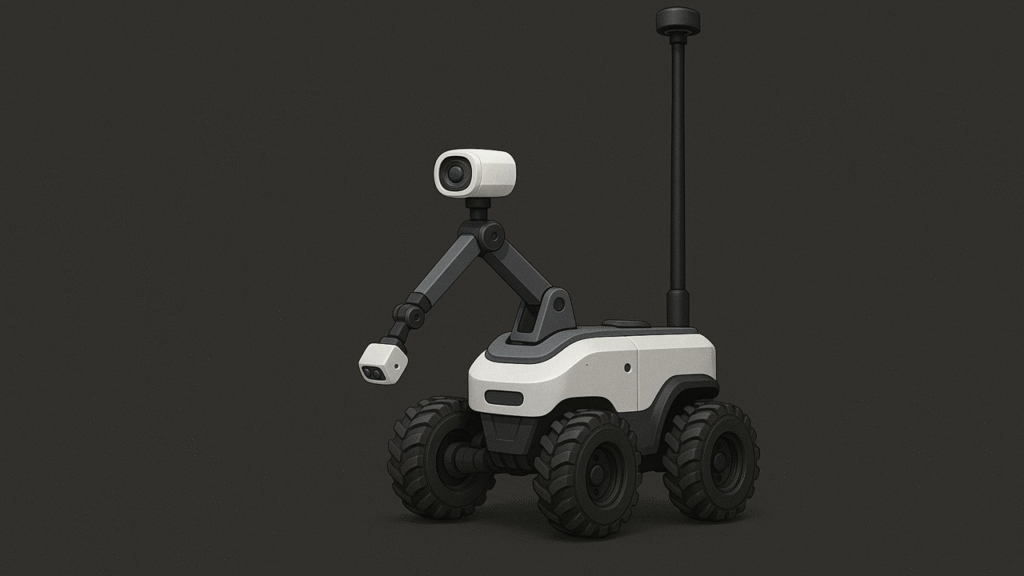
Inspection robots are specialized autonomous or semi-autonomous machines designed to assess, monitor, and evaluate environments, structures, or equipment that may be difficult, dangerous, or inefficient for humans to inspect manually. Using advanced sensors, cameras, and AI-powered analysis tools, these robots can detect issues invisible to the human eye while eliminating human exposure to hazardous conditions.
Key Applications Transforming Industries
Energy Sector Revolution
In oil and gas facilities, inspection robots navigate through pipelines and storage tanks, identifying corrosion, leaks, and structural weaknesses before they become catastrophic failures. Wind turbine inspection drones can examine massive blades hundreds of feet above ground in a fraction of the time required for manual inspection, drastically reducing downtime and improving safety.
Manufacturing Excellence
On production lines, vision-equipped robots perform quality control inspections with microscopic precision at speeds impossible for human inspectors. They detect defects, misalignments, and inconsistencies in real-time, ensuring that only perfect products reach consumers while generating valuable data for process improvement.
Infrastructure Safety
Bridge and tunnel inspection robots can access confined spaces and hazardous environments, capturing detailed structural data without traffic disruption or worker risk. Equipped with ground-penetrating radar, thermal imaging, and vibration analysis tools, these robots identify invisible structural weaknesses before they lead to failures.
Construction Efficiency
On construction sites, drone-based inspection robots monitor progress, verify compliance with blueprints, and identify safety hazards from above. Meanwhile, ground-based robots scan completed work to ensure it meets specifications and building codes, creating detailed digital records of construction quality.
The Compelling Business Case
The adoption of inspection robots delivers multi-faceted returns on investment:
- Risk Reduction: By eliminating human exposure to confined spaces, heights, radiation, and toxic environments, organizations dramatically decrease workplace accidents and associated costs.
- Downtime Minimization: Predictive maintenance enabled by regular robotic inspection prevents unexpected equipment failures and costly emergency repairs.
- Labor Optimization: Skilled technicians can focus on analyzing robotic inspection data and performing repairs rather than spending hours on routine inspection tasks.
- Documentation Excellence: Inspection robots generate comprehensive, objective, and consistent documentation—critical for regulatory compliance and liability protection.
- Data-Driven Decision Making: The wealth of inspection data collected creates unprecedented visibility into asset condition, enabling more strategic maintenance and replacement planning.
The Technology Driving Innovation
Today’s inspection robots leverage several cutting-edge technologies:
- Advanced Mobility Systems: From magnetic crawlers that scale metal surfaces to snake-like robots that navigate pipelines and micro-drones that access tight spaces, specialized locomotion enables access to previously unreachable areas.
- Sensor Fusion: Combining visual cameras with thermal imaging, ultrasonic testing, LiDAR, and specialized sensors creates comprehensive inspection capabilities beyond human perception.
- AI-Powered Analysis: Machine learning algorithms can identify anomalies and potential issues from inspection data, often detecting developing problems long before they would become visible to human inspectors.
- Digital Twin Integration: Inspection data feeds into digital representations of physical assets, creating living models that track conditions, predict maintenance needs, and simulate potential failures.
Adoption Challenges and Solutions
Despite their clear benefits, many organizations face hurdles when implementing inspection robotics:
- Integration Complexity: Incorporating robotic inspection into existing maintenance workflows requires careful planning and systems integration.
- Specialized Expertise: Operating and maintaining inspection robots demands new skill sets that may not exist in the current workforce.
- Initial Investment: While long-term ROI is compelling, the upfront costs can be significant for comprehensive robotic inspection systems.
- Data Management: The volume of inspection data generated requires robust storage, processing, and analysis capabilities.
These challenges highlight the critical importance of expert guidance during the adoption process. Organizations that successfully implement inspection robotics typically partner with specialized consultants who understand both the technology and the unique operational requirements of their industry.
Future Developments on the Horizon
The inspection robotics field continues to evolve rapidly, with several emerging trends:
- Fully Autonomous Operation: Next-generation inspection robots will operate with minimal human oversight, making independent decisions about inspection pathways and focus areas.
- Collaborative Swarms: Multiple specialized robots working in coordination will perform complex inspections faster and more thoroughly than single units.
- Repair Capabilities: Beyond merely identifying issues, advanced inspection robots will begin performing minor repairs autonomously, especially in hard-to-reach locations.
- Continuous Monitoring: Rather than periodic inspections, permanently installed robotic systems will provide real-time condition assessment of critical infrastructure and equipment.
Taking the Next Step
As inspection robots continue to advance, organizations across industries face a clear choice: embrace this transformative technology now or risk falling behind competitors who gain the safety, efficiency, and quality advantages these systems provide.
The most successful implementations begin with a comprehensive strategy that addresses not only the technical aspects but also the human, procedural, and organizational dimensions of this significant change.
Ready to transform your inspection capabilities with robotics?
Robot Center’s expert consultants can help you navigate the complex landscape of inspection robotics—from selecting the right technology for your specific needs to integrating it seamlessly into your operations.
Our team provides end-to-end support, including:
- Comprehensive needs assessment
- Technology selection and procurement
- Integration planning and implementation
- Staff training and development
- Ongoing support and optimization
Contact sales@robotcenter.co.uk today to book a consultation call and begin your journey toward safer, more efficient operations through robotics.
Sponsored by:
Robot Center: https://robotcenter.co.uk/
Your one-stop destination for robot purchasing, acquisition, and expert consultancy services.
Robots of London: https://robotsoflondon.co.uk/
Specializing in robot hire, rental, and event solutions for all your robotic needs.
Robot Philosophy: https://robophil.com/
Leading the way in robot consultancy, recruitment, advice, insights, and innovative ideas.