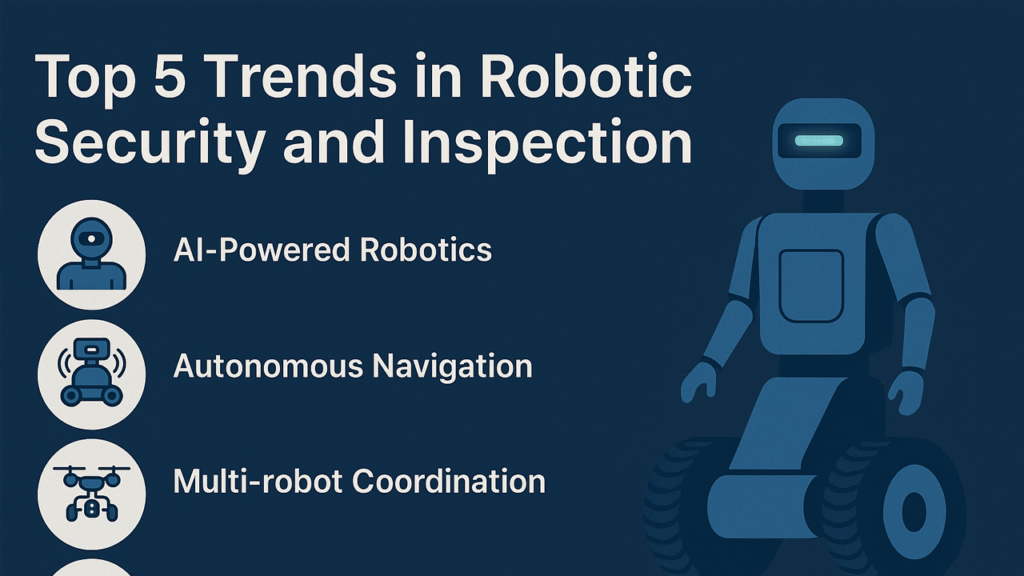
Top 5 Trends in Robotic Security and Inspection: Revolutionizing Modern Safety and Surveillance
Sponsored by Robot Center, Robots of London, and Robot Philosophy
The landscape of security and inspection is undergoing a dramatic transformation as robotic technologies advance at an unprecedented pace. From autonomous patrol units securing corporate facilities to AI-powered drones conducting critical infrastructure inspections, robots are becoming the cornerstone of modern safety operations. As we move through 2025, several key trends are reshaping how organizations approach security and inspection challenges.
This comprehensive analysis explores the five most significant trends driving innovation in robotic security and inspection, examining their implications for businesses, their technological foundations, and the opportunities they present for forward-thinking organizations.
1. Autonomous Patrol and Surveillance Systems
The first major trend revolutionizing the security sector is the widespread adoption of autonomous patrol robots equipped with advanced surveillance capabilities. These sophisticated systems represent a quantum leap from traditional static security cameras and human-only patrol methods.
The Technology Behind Autonomous Patrols
Modern autonomous patrol robots integrate multiple cutting-edge technologies to create comprehensive security solutions. Computer vision systems powered by artificial intelligence enable these robots to identify potential threats, recognize faces, and detect unusual behaviors in real-time. Advanced sensor arrays including LiDAR, thermal imaging, and acoustic sensors provide 360-degree environmental awareness, allowing robots to operate effectively in diverse conditions from bright daylight to complete darkness.
Navigation systems have evolved significantly, with simultaneous localization and mapping (SLAM) technology enabling robots to create detailed maps of their environment while tracking their precise location. This capability allows for truly autonomous operation, with robots capable of adapting their patrol routes based on changing environmental conditions or security requirements.
Real-World Applications and Benefits
Organizations across various sectors are implementing autonomous patrol systems with remarkable results. Corporate campuses utilize these robots to conduct regular perimeter checks, monitor restricted areas, and provide continuous surveillance during off-hours. Manufacturing facilities deploy patrol robots to ensure compliance with safety protocols and detect potential hazards before they escalate into serious incidents.
The benefits extend beyond mere surveillance. These systems provide consistent, tireless monitoring that human guards cannot match, while simultaneously reducing operational costs and improving response times to security incidents. Data analytics capabilities allow organizations to identify patterns in security events, optimize patrol schedules, and make informed decisions about resource allocation.
Future Developments and Implications
The trajectory for autonomous patrol systems points toward even greater sophistication. Integration with building management systems will enable robots to automatically respond to security breaches by controlling lighting, locking doors, or activating alarm systems. Machine learning algorithms will continue to improve threat detection accuracy while reducing false alarms, making these systems increasingly reliable and cost-effective.
2. AI-Powered Predictive Threat Detection
The second transformative trend involves the integration of artificial intelligence into robotic security systems to enable predictive threat detection capabilities. This advancement represents a fundamental shift from reactive security measures to proactive threat prevention.
Understanding Predictive Analytics in Security
AI-powered predictive threat detection utilizes machine learning algorithms to analyze vast amounts of data from multiple sources, identifying patterns and anomalies that may indicate potential security threats. These systems process information from surveillance cameras, access control systems, environmental sensors, and even social media feeds to create comprehensive threat assessments.
The technology employs sophisticated neural networks trained on extensive datasets of security incidents, normal behavioral patterns, and environmental conditions. This training enables the systems to recognize subtle indicators of potential threats that might escape human notice, such as unusual movement patterns, changes in crowd behavior, or the presence of suspicious objects.
Implementation Strategies and Outcomes
Organizations implementing AI-powered predictive systems are experiencing significant improvements in their security posture. Airports utilize these technologies to identify potential security risks before passengers reach sensitive areas, while shopping centers deploy predictive analytics to prevent theft and ensure customer safety.
The integration of predictive capabilities with robotic platforms creates powerful security solutions. Robots equipped with AI systems can automatically adjust their patrol patterns based on predicted threat levels, deploy additional resources to high-risk areas, and provide early warning systems for security personnel.
Challenges and Considerations
Despite the significant advantages, implementing AI-powered predictive systems requires careful consideration of privacy concerns, data security, and regulatory compliance. Organizations must ensure that their systems balance effective threat detection with respect for individual privacy rights and adherence to applicable regulations.
3. Drone-Based Infrastructure Inspection
The third major trend transforming the inspection landscape is the rapid adoption of drone-based systems for critical infrastructure monitoring. These aerial platforms provide unprecedented access to hard-to-reach areas while delivering detailed inspection data that surpasses traditional methods in both quality and efficiency.
Technological Capabilities of Inspection Drones
Modern inspection drones incorporate sophisticated imaging technologies that enable comprehensive facility assessments. High-resolution cameras capture detailed visual data, while thermal imaging sensors detect heat signatures that may indicate equipment malfunctions or energy inefficiencies. Multispectral and hyperspectral imaging capabilities allow drones to identify material degradation, corrosion, and structural defects that are invisible to the naked eye.
Advanced stabilization systems ensure that inspection data remains accurate and consistent even in challenging weather conditions. Automated flight planning software enables drones to conduct systematic inspections of large facilities, following predetermined routes while automatically adjusting for obstacles and environmental factors.
Industry Applications and Impact
The utility sector has embraced drone inspections for power line monitoring, solar panel assessments, and wind turbine maintenance. These applications have dramatically reduced the time and cost associated with infrastructure inspections while simultaneously improving worker safety by eliminating the need for personnel to access dangerous locations.
Oil and gas companies utilize inspection drones to monitor pipeline integrity, detect leaks, and assess facility conditions across vast geographical areas. The aviation industry employs drones for aircraft inspections, enabling rapid assessment of external components without requiring extensive ground support equipment.
Economic and Safety Benefits
Drone-based inspections deliver substantial economic benefits through reduced inspection times, lower labor costs, and improved maintenance scheduling. The ability to conduct more frequent inspections enables organizations to implement predictive maintenance strategies that prevent costly equipment failures and extend asset lifespans.
Safety improvements are equally significant, as drones eliminate the need for personnel to work at height or in hazardous environments. This reduction in human exposure to dangerous conditions has led to measurable decreases in workplace accidents and insurance costs.
4. Integration with IoT and Smart Building Systems
The fourth trend reshaping robotic security and inspection involves the seamless integration of robotic systems with Internet of Things (IoT) networks and smart building technologies. This convergence creates comprehensive, interconnected security ecosystems that provide unprecedented levels of situational awareness and automated response capabilities.
The Connected Security Ecosystem
Integration with IoT systems enables robots to access real-time data from thousands of sensors throughout a facility, creating a comprehensive understanding of environmental conditions, occupancy patterns, and system performance. This connectivity allows robots to respond automatically to alerts from fire detection systems, access control breaches, or environmental monitoring equipment.
Smart building integration enables robots to interact with facility management systems, controlling lighting, HVAC systems, and security barriers as part of their operational protocols. This level of integration transforms robots from standalone security devices into integral components of building operations.
Enhanced Operational Efficiency
The combination of robotic systems with IoT networks creates powerful synergies that enhance operational efficiency. Robots can automatically adjust their inspection schedules based on real-time facility usage data, prioritizing areas with higher activity levels or environmental risks. Energy management systems can coordinate with robotic patrols to optimize building operations during off-hours.
Data analytics platforms process information from both robotic systems and IoT sensors to provide facility managers with comprehensive insights into security trends, equipment performance, and operational efficiency. This integrated approach enables more informed decision-making and proactive facility management.
Future Integration Possibilities
The trajectory for IoT integration points toward even more sophisticated interconnected systems. Artificial intelligence will enable predictive coordination between different building systems, while 5G networks will provide the high-speed, low-latency communications necessary for real-time robotic responses to security events.
5. Advanced Data Analytics and Reporting
The fifth and final trend driving innovation in robotic security and inspection is the development of sophisticated data analytics platforms that transform raw sensor data into actionable intelligence. These systems represent the evolution from simple data collection to comprehensive business intelligence solutions.
The Power of Integrated Analytics
Modern robotic systems generate vast amounts of data through their sensors, cameras, and operational systems. Advanced analytics platforms process this information to identify trends, patterns, and anomalies that provide valuable insights into security risks, operational efficiency, and facility management opportunities.
Machine learning algorithms continuously improve the accuracy of threat detection and inspection assessments by learning from historical data and operational outcomes. This continuous improvement ensures that robotic systems become more effective over time, delivering increasing value to organizations.
Comprehensive Reporting Solutions
Analytics platforms provide customizable reporting solutions that enable organizations to track key performance indicators, demonstrate compliance with regulatory requirements, and make data-driven decisions about security investments. Real-time dashboards provide facility managers with immediate visibility into security status and operational performance.
Automated reporting capabilities ensure that stakeholders receive regular updates on security incidents, inspection findings, and system performance metrics. This automated approach reduces administrative overhead while ensuring that critical information reaches decision-makers promptly.
Competitive Advantages Through Data
Organizations leveraging advanced analytics gain significant competitive advantages through improved operational efficiency, reduced security risks, and optimized resource allocation. The ability to predict equipment failures, optimize maintenance schedules, and prevent security incidents translates directly into cost savings and improved business performance.
Implementing Robotic Security and Inspection Solutions
The implementation of robotic security and inspection systems requires careful planning, expert guidance, and ongoing support to ensure successful deployment and optimal performance. Organizations considering these technologies must navigate complex decisions regarding system selection, integration requirements, and operational procedures.
Strategic Planning and Assessment
Successful implementation begins with comprehensive assessment of existing security and inspection requirements, identification of operational challenges, and development of clear objectives for robotic system deployment. This planning phase should include detailed analysis of facility layouts, security risks, and integration requirements with existing systems.
Professional consultation services can provide invaluable guidance during the planning phase, helping organizations identify the most appropriate technologies and implementation strategies for their specific requirements. Expert advisors can also assist with regulatory compliance, safety considerations, and long-term maintenance planning.
Technology Selection and Integration
The selection of appropriate robotic systems requires careful evaluation of technical capabilities, operational requirements, and long-term scalability. Organizations must consider factors such as environmental conditions, coverage requirements, integration capabilities, and total cost of ownership when making technology decisions.
Professional integration services ensure that robotic systems work seamlessly with existing infrastructure and operational procedures. Expert technicians can configure systems, train personnel, and provide ongoing support to maximize the value of robotic investments.
Maximizing ROI Through Professional Services
Organizations seeking to maximize their return on investment in robotic security and inspection systems benefit significantly from professional consulting and recruitment services. These services provide access to specialized expertise, accelerate implementation timelines, and ensure optimal system performance.
Expert Consultation Services
Professional robotics consultants bring deep technical knowledge and extensive implementation experience to help organizations navigate the complex landscape of robotic security and inspection technologies. These experts can provide guidance on technology selection, system design, integration planning, and operational optimization.
Consultation services also include ongoing support for system optimization, performance monitoring, and technology upgrades. This continued partnership ensures that organizations continue to derive maximum value from their robotic investments as technologies evolve and operational requirements change.
Specialized Recruitment and Talent Acquisition
The successful operation of robotic security and inspection systems requires skilled personnel with specialized knowledge of robotics, automation, and security technologies. Professional recruitment services can identify and attract qualified candidates with the technical expertise and operational experience necessary for successful program implementation.
Recruitment services also provide ongoing talent acquisition support as organizations scale their robotic operations and require additional specialized personnel. This service ensures that organizations have access to the human resources necessary to support their technological investments.
Ready to Transform Your Security and Inspection Operations?
The trends outlined in this article represent significant opportunities for organizations seeking to enhance their security posture, improve operational efficiency, and reduce costs through innovative robotic technologies. However, successful implementation requires expert guidance, careful planning, and access to specialized expertise.
Contact our team of robotics experts today to discuss your specific requirements and learn how robotic security and inspection solutions can transform your operations:
📧 Email: sales@robotcenter.co.uk
📞 Phone: 0845 528 0404
Our experienced consultants are ready to help you navigate the complex landscape of robotic technologies, develop customized implementation strategies, and connect you with the specialized talent necessary for successful deployment.
Don’t let your competitors gain the advantage that comes with advanced robotic security and inspection capabilities. Contact us today to schedule your consultation and begin your journey toward enhanced security and operational excellence.
This article is sponsored by:
Robot Center – Your premier destination for robot procurement, consultation, and robotics expertise. Specializing in robot sales, purchasing guidance, and comprehensive robotics consultancy services.
Robots of London – London’s leading robot rental and hire service provider. Offering comprehensive robot rental solutions, hire services, and specialized robot support for events and temporary deployments.
Robot Philosophy – Expert robotics consultancy and recruitment specialists. Providing strategic robot consultation, talent acquisition, professional advice, and innovative insights to help organizations navigate the future of robotics.