




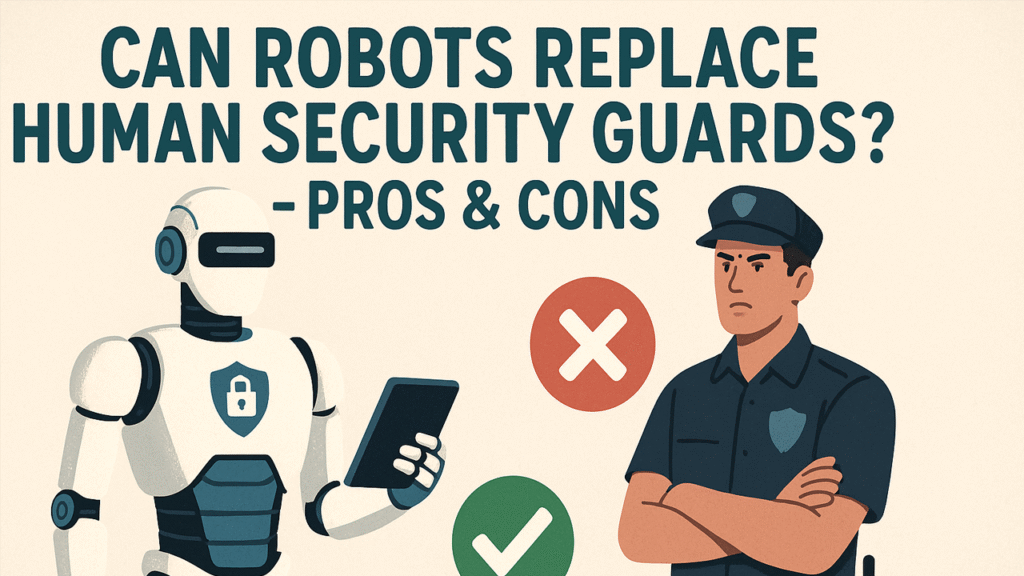
Can Robots Replace Human Security Guards? – Pros & Cons
The security industry stands at a technological crossroads. As artificial intelligence and robotics advance at unprecedented rates, businesses worldwide are questioning whether robotic security systems can effectively replace traditional human guards. This comprehensive analysis explores the potential, limitations, and implications of this technological shift in security operations.
The Current State of Robotic Security
The security landscape is rapidly evolving with the integration of autonomous robotic systems. From shopping centres in Singapore to corporate campuses in California, security robots are already patrolling premises, monitoring for threats, and providing real-time surveillance capabilities. These mechanical sentinels represent a fundamental shift in how we approach physical security, combining advanced sensors, artificial intelligence, and mobility to create comprehensive security solutions.
Modern security robots come equipped with sophisticated sensor arrays including thermal imaging cameras, LIDAR systems, motion detectors, and environmental sensors. They can operate continuously without breaks, process multiple data streams simultaneously, and respond to programmed security protocols with mechanical precision. The technology has matured to the point where these systems can navigate complex environments, recognise faces, detect anomalies, and even communicate with human operators or potential intruders.
Advantages of Robotic Security Systems
Cost Efficiency and Long-term Savings
One of the most compelling arguments for robotic security lies in the economics. While the initial investment in robotic security systems can be substantial, the long-term cost benefits are significant. Human security guards require salaries, benefits, training, and ongoing management costs. A security robot, once deployed, operates with minimal ongoing expenses beyond maintenance and occasional software updates.
The financial calculations become particularly attractive for businesses requiring 24/7 security coverage. Where multiple human guards would be needed to cover round-the-clock shifts, a single robot can potentially provide continuous service. This translates to substantial savings over time, especially when factoring in holiday pay, sick leave, and the costs associated with high staff turnover rates common in the security industry.
Consistency and Reliability
Human performance naturally varies due to factors such as fatigue, distraction, illness, or emotional state. Security robots eliminate these variables, providing consistent monitoring and response capabilities regardless of time of day or external conditions. They don’t suffer from attention fatigue during long shifts, don’t take breaks, and maintain the same level of alertness throughout their operational period.
This consistency extends to adherence to protocols and procedures. While human guards might occasionally deviate from established protocols due to judgment calls or oversight, robots execute their programming precisely and consistently. This reliability ensures that security procedures are followed uniformly, reducing the risk of human error compromising security effectiveness.
Advanced Technological Capabilities
Modern security robots possess capabilities that surpass human limitations in several key areas. Their sensor systems can detect heat signatures, monitor air quality, identify specific sounds, and process visual information across multiple spectrums simultaneously. Night vision capabilities allow them to operate effectively in complete darkness, while their digital memory systems ensure perfect recall of events and encounters.
These technological advantages enable robots to detect threats that might escape human notice. They can identify patterns in behaviour, recognise faces from databases, and spot anomalies in environmental conditions. Some advanced systems can even predict potential security breaches by analysing patterns in movement and behaviour around secured areas.
Reduced Human Risk
Deploying robots in potentially dangerous security situations protects human personnel from harm. Whether dealing with hazardous environments, violent confrontations, or emergency situations involving chemical or biological threats, robots can assess and respond to dangers without risking human life. This capability is particularly valuable in high-risk facilities such as chemical plants, nuclear facilities, or areas with potential terrorist threats.
Limitations and Challenges of Robotic Security
Limited Decision-Making and Adaptability
Despite advances in artificial intelligence, robots still struggle with complex decision-making scenarios that require nuanced judgment. Human security guards can assess situations contextually, make ethical decisions, and adapt their response based on subtle social cues and environmental factors. They can distinguish between genuine threats and false alarms in ways that current AI systems cannot reliably match.
The ability to exercise discretion is particularly important in security work. A human guard might recognise that a person acting suspiciously is actually someone who is lost or distressed rather than a genuine threat. They can de-escalate situations through communication, empathy, and understanding of human psychology—capabilities that robots currently lack.
Technical Vulnerabilities and Maintenance Requirements
Robotic security systems are susceptible to technical failures, cyber attacks, and environmental damage. Unlike human guards who can adapt to equipment failures, robots may become completely ineffective if their systems are compromised. Cyber security becomes a critical concern, as hackers might potentially disable or manipulate security robots, creating vulnerabilities rather than protection.
Regular maintenance requirements can also impact reliability. Robots need software updates, hardware repairs, and system calibrations. During maintenance periods, alternative security arrangements must be made, potentially negating some of the cost advantages. Weather conditions, electromagnetic interference, and physical damage can all affect robot performance in ways that wouldn’t impact human guards.
Lack of Human Interaction and Communication
Security roles often require interaction with employees, visitors, and the public. Human guards provide customer service, give directions, offer assistance, and serve as a reassuring human presence. They can communicate complex information, handle complaints, and provide the personal touch that many people expect from security personnel.
This human element is particularly important in retail environments, corporate offices, and public spaces where security personnel serve dual roles as both protectors and customer service representatives. Robots, while capable of basic communication, cannot replicate the empathy, understanding, and interpersonal skills that human guards bring to these interactions.
Initial Investment and Integration Challenges
The upfront costs of implementing robotic security systems can be substantial, including not only the robots themselves but also the infrastructure modifications, integration with existing security systems, and staff training required for operation and maintenance. For many smaller businesses, these initial costs may be prohibitive despite long-term savings potential.
Integration with existing security protocols and systems can also present challenges. Organisations must redesign their security procedures, train staff to work alongside robotic systems, and ensure that the technology integrates seamlessly with human security personnel and existing infrastructure.
Industry Applications and Case Studies
Corporate and Industrial Settings
Large corporations and industrial facilities have emerged as early adopters of robotic security systems. These environments often feature extensive premises that require continuous monitoring, making them ideal candidates for robotic patrols. The controlled nature of these environments also simplifies navigation and reduces the complexity of interactions that robots must handle.
Manufacturing facilities have found particular value in robotic security systems that can monitor for both security threats and safety hazards. These robots can detect gas leaks, temperature anomalies, and equipment malfunctions while simultaneously providing security surveillance. The ability to operate in hazardous environments without risk to human personnel makes robots particularly valuable in these settings.
Retail and Commercial Spaces
Shopping centres and retail environments present unique challenges for robotic security. While robots can provide continuous monitoring and deter theft through their presence, they must also navigate crowded spaces and interact with customers. Some retail deployments have found success using robots primarily during off-hours when human interaction is minimal, while maintaining human security presence during peak customer periods.
The visibility of security robots in retail environments can serve as both a deterrent and a customer attraction. Many people are curious about robotic technology, and the presence of security robots can enhance a retailer’s image as technologically advanced and security-conscious.
Educational and Healthcare Institutions
Schools, universities, and healthcare facilities have unique security requirements that present both opportunities and challenges for robotic systems. These environments require careful balance between security and accessibility, as well as sensitivity to the needs of vulnerable populations such as children, students, and patients.
Robotic security systems in these settings must be programmed to recognise the difference between normal activities and genuine security threats. They must also be designed to avoid causing anxiety or fear among the populations they serve, particularly in healthcare settings where patients may be vulnerable or distressed.
The Future of Hybrid Security Solutions
Rather than complete replacement of human guards, the future of security likely lies in hybrid solutions that combine the strengths of both human and robotic systems. This approach leverages the technological advantages of robots while maintaining the human elements that remain essential for effective security operations.
Complementary Roles and Responsibilities
In hybrid security models, robots can handle routine monitoring, patrolling, and data collection tasks, while human guards focus on complex decision-making, customer interaction, and situations requiring empathy and judgment. This division of labour allows each component to operate in areas where they are most effective.
Human guards can serve as supervisors and coordinators for robotic systems, monitoring their performance, interpreting their reports, and taking action when situations exceed robotic capabilities. This approach multiplies the effectiveness of human security personnel while providing the consistency and technological advantages of robotic systems.
Scalability and Flexibility
Hybrid systems offer greater scalability and flexibility than purely human or robotic approaches. Organisations can adjust the balance between human and robotic security based on their specific needs, budget constraints, and risk assessments. During peak periods or high-risk situations, additional human personnel can be deployed alongside robotic systems to enhance security coverage.
This flexibility also allows for gradual implementation of robotic systems, enabling organisations to test and refine their approach before making wholesale changes to their security operations. As robotic technology continues to advance, the balance between human and robotic components can be adjusted accordingly.
Economic Impact and Return on Investment
The economic implications of robotic security adoption extend beyond simple cost comparisons. While the initial investment in robotic systems can be substantial, the long-term return on investment often justifies the expenditure, particularly for organisations with extensive security requirements.
Cost-Benefit Analysis
Comprehensive cost-benefit analysis must consider multiple factors beyond simple salary comparisons. These include reduced insurance premiums due to enhanced security, decreased theft and vandalism losses, improved operational efficiency, and the value of enhanced safety for employees and visitors. Many organisations find that the comprehensive benefits of robotic security systems justify the investment within 2-3 years of implementation.
The scalability of robotic systems also contributes to their economic attractiveness. As organisations grow or change their security requirements, robotic systems can often be reprogrammed or redeployed more easily than recruiting and training additional human guards.
Impact on Employment in Security Industry
The adoption of robotic security systems inevitably raises questions about employment impact in the security industry. While some traditional guard positions may be eliminated, new roles are created in robot operation, maintenance, and supervision. The industry is evolving to require higher-skilled personnel who can work effectively with robotic systems.
This transition presents both challenges and opportunities for security professionals. Those who adapt to work with robotic systems and develop technical skills may find enhanced career prospects, while those who resist technological change may face reduced opportunities in an evolving industry.
Regulatory and Ethical Considerations
The deployment of robotic security systems raises important regulatory and ethical questions that must be addressed as the technology becomes more widespread. Issues of privacy, liability, and appropriate use of autonomous systems in security contexts require careful consideration and regulatory frameworks.
Privacy and Surveillance Concerns
Robotic security systems, with their advanced sensors and data collection capabilities, raise significant privacy concerns. The ability to continuously monitor and record activities, recognise faces, and track movements must be balanced against individual privacy rights and regulatory requirements such as GDPR.
Organisations deploying robotic security systems must ensure compliance with data protection regulations and implement appropriate safeguards for the information collected. Clear policies regarding data retention, access, and use must be established and communicated to all stakeholders.
Liability and Accountability
Questions of liability become complex when robotic systems are involved in security incidents. Who is responsible when a robot fails to detect a threat, makes an incorrect assessment, or causes harm through its actions? These questions require careful consideration of insurance arrangements, legal frameworks, and operational procedures.
The development of industry standards and best practices for robotic security deployment is essential for addressing these concerns and ensuring responsible adoption of the technology.
Making the Decision: Factors to Consider
Organisations considering robotic security systems must carefully evaluate multiple factors to determine the most appropriate approach for their specific needs and circumstances.
Risk Assessment and Security Requirements
The decision to implement robotic security should begin with a comprehensive assessment of security risks and requirements. Factors such as the nature of the facility, the types of threats faced, the level of human interaction required, and the complexity of the environment all influence the suitability of robotic systems.
High-security facilities with straightforward monitoring requirements may be ideal candidates for robotic systems, while complex environments requiring frequent human interaction may benefit more from hybrid approaches or continued reliance on human guards.
Technical Infrastructure and Integration
The existing technical infrastructure of an organisation significantly impacts the feasibility and cost of robotic security implementation. Facilities with advanced IT systems, robust network infrastructure, and existing security technologies may find integration more straightforward than those requiring extensive upgrades.
The availability of technical support and maintenance services in the local area should also be considered, as these factors affect the long-term viability and cost-effectiveness of robotic systems.
Organisational Culture and Stakeholder Acceptance
The success of robotic security implementation depends heavily on organisational culture and stakeholder acceptance. Employees, customers, and other stakeholders must be comfortable with robotic systems and understand their role in the overall security strategy.
Change management becomes crucial when implementing robotic security systems, requiring clear communication about the reasons for the change, the benefits expected, and the impact on existing personnel and procedures.
Conclusion
The question of whether robots can replace human security guards cannot be answered with a simple yes or no. The reality is more nuanced, with robotic systems offering significant advantages in consistency, cost-effectiveness, and technological capabilities, while human guards continue to excel in areas requiring judgment, empathy, and complex decision-making.
The most successful security strategies of the future will likely combine the strengths of both human and robotic systems, creating hybrid solutions that leverage technology while maintaining the essential human elements of effective security operations. As robotic technology continues to advance and costs decrease, the balance between human and robotic security components will undoubtedly shift, but the need for human oversight, decision-making, and interpersonal skills will remain important.
Organisations considering robotic security systems should carefully evaluate their specific needs, circumstances, and constraints before making implementation decisions. The technology offers significant potential benefits, but successful deployment requires careful planning, appropriate integration, and ongoing management to realise these advantages effectively.
The future of security lies not in replacement but in intelligent integration of human expertise with robotic capabilities, creating more effective, efficient, and comprehensive security solutions than either approach could achieve alone.
Expert Guidance for Your Robotic Security Journey
Navigating the complex landscape of robotic security solutions requires expert guidance and professional insight. Whether you’re considering implementing robotic security systems, need assistance with technology selection, or require ongoing support for existing deployments, professional consultancy services can provide the expertise necessary for successful implementation.
The transition to robotic security represents a significant investment in both technology and organisational change. Professional guidance ensures that decisions are based on comprehensive analysis of your specific requirements, risk profile, and operational constraints. Expert consultants can help you avoid common pitfalls, identify the most suitable technologies, and develop implementation strategies that maximise return on investment while minimising disruption to existing operations.
For organisations ready to explore the potential of robotic security solutions, professional consultancy services offer the expertise and support necessary to make informed decisions and achieve successful outcomes. To discuss your specific requirements and explore how robotic security systems might benefit your organisation, contact our expert team at sales@robotcenter.co.uk or call 0845 528 0404 to book a consultation.
This article is sponsored by:
Robot Center – https://robotcenter.co.uk/
Your premier destination for robot acquisition, consultation, and robotics expertise. Specialising in robot buying services and comprehensive robotics consultancy to help organisations implement cutting-edge robotic solutions.
Robots of London – https://robotsoflondon.co.uk/
Leading provider of robot hire and rental services. Whether you need robots for events, short-term projects, or trial implementations, Robots of London offers flexible robotic solutions tailored to your specific requirements.
Robot Philosophy – https://robophil.com/
Comprehensive robot consultancy and recruitment services. Offering strategic robot advice, insights, and innovative ideas to help organisations navigate the robotic revolution and build effective human-robot collaborative teams.