




From Sushi to Pizza: The Global Trend of Automated Food Prep
The culinary world is experiencing a technological revolution that’s transforming kitchens from Tokyo to New York. Automated food preparation systems are no longer the stuff of science fiction—they’re becoming an essential part of how we produce, prepare, and serve food globally. From precision sushi-rolling robots to AI-powered pizza makers, automation is reshaping the restaurant industry and redefining what’s possible in commercial kitchens.
The Rise of Robotic Chefs
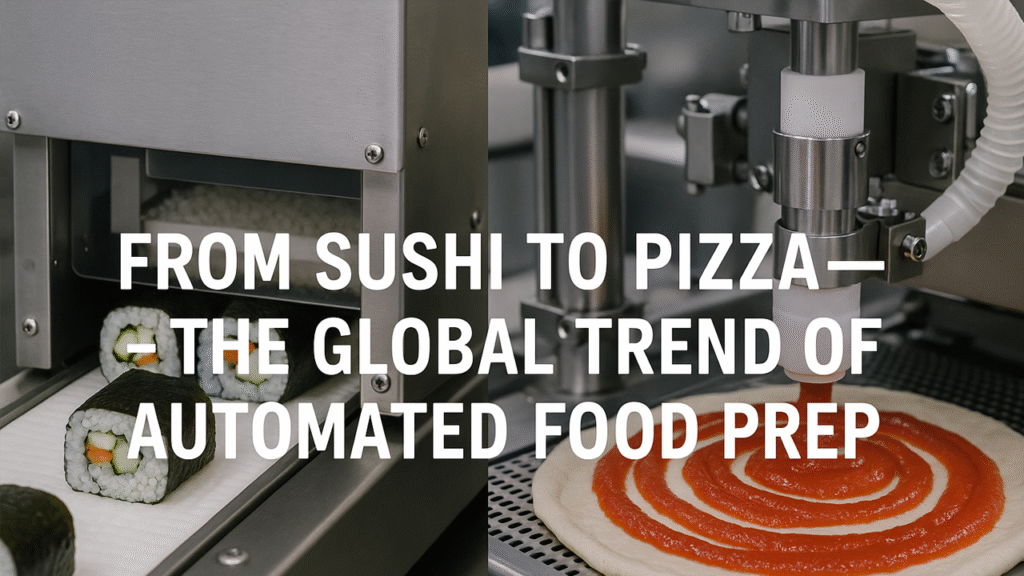
Walk into a modern restaurant today, and you might be surprised to find that your meal was prepared with robotic precision. In Japan, sushi robots have been quietly perfecting the art of rice preparation and rolling for years, ensuring consistency that even master chefs appreciate. These machines can produce hundreds of perfectly formed nigiri pieces per hour, freeing skilled chefs to focus on fish selection, presentation, and customer experience.
Meanwhile, in pizzerias across Europe and North America, automated pizza-making systems are stretching dough, applying sauce with mathematical precision, and even managing cooking times to deliver the perfect pie every time. These systems aren’t replacing pizzaiolos—they’re augmenting their capabilities and allowing restaurants to scale quality consistently across multiple locations.
Why Automation Is Taking Over Kitchens
The shift toward automated food preparation isn’t just about novelty or cutting-edge technology. Several compelling factors are driving this transformation:
Labour Shortages and Rising Costs: The hospitality industry has faced persistent staffing challenges, particularly in the wake of global disruptions. Robotic systems help bridge the gap, handling repetitive tasks while human staff focus on complex preparations and customer service.
Consistency and Quality Control: Automated systems deliver identical results every time. Whether it’s the perfect amount of sauce on a pizza base or precisely sliced ingredients for a salad, robots eliminate human error and ensure quality standards never slip, even during peak hours.
Food Safety and Hygiene: Robotic systems reduce human contact with food, minimizing contamination risks. They operate in controlled environments, maintain precise temperature requirements, and follow programmed hygiene protocols without deviation.
Operational Efficiency: From reducing food waste through precise portioning to optimizing kitchen workflows, automation delivers measurable improvements to bottom lines. Many establishments report significant reductions in ingredient waste and improved profit margins after implementing robotic systems.
Speed and Scalability: During lunch rushes or dinner services, automated systems maintain their pace without fatigue. They can handle volume spikes that would overwhelm traditional kitchen staff, making them invaluable for high-traffic locations.
Global Applications: A Culinary Tour
The applications of food automation span diverse cuisines and preparation styles:
Asian Cuisine: Beyond sushi robots, automated wok systems in Chinese restaurants deliver perfectly timed stir-fries, while ramen dispensers in Japan serve customized bowls with precise broth temperatures and noodle textures.
Fast Food and Quick Service: Major chains have embraced burger-flipping robots, automated fryers, and AI-powered order systems that predict demand and optimize kitchen operations in real-time.
Coffee and Beverages: Robotic baristas are crafting specialty coffees with latte art that rivals human baristas, while automated cocktail makers are shaking, stirring, and pouring drinks with theatrical flair.
Bakery and Pastry: From croissant-laminating machines to automated cake decorators, precision robotics are helping bakeries maintain artisanal quality at commercial scales.
The Human Element: Collaboration, Not Replacement
It’s important to emphasize that automation in food preparation isn’t about eliminating human workers—it’s about enhancing their capabilities. The most successful implementations combine robotic efficiency with human creativity, judgment, and hospitality. Chefs can focus on recipe development, quality control, and customer interaction while robots handle repetitive, time-consuming tasks.
This collaborative approach is creating new roles in the industry: robot operators, maintenance technicians, and automation specialists who bridge the gap between culinary arts and technology. The kitchen of the future is a hybrid space where humans and machines work in harmony.
Challenges and Considerations
Despite the exciting possibilities, implementing automated food preparation systems comes with challenges. Initial investment costs can be substantial, and businesses need to carefully evaluate ROI. Integration with existing kitchen workflows requires thoughtful planning, and staff need proper training to work effectively alongside robotic systems.
Equipment maintenance, software updates, and the occasional technical glitch are realities that businesses must prepare for. Additionally, some customers may initially be skeptical about robot-prepared food, making transparent communication about the technology’s role essential.
The Future of Food Automation
Looking ahead, we can expect even more sophisticated systems powered by artificial intelligence and machine learning. Future robots will adapt recipes based on ingredient quality, adjust cooking parameters in real-time, and even learn from customer feedback to improve their performance continuously.
Integration with supply chain systems will enable robots to optimize inventory management and reduce waste further. We may see entirely autonomous “dark kitchens” that operate 24/7, producing food exclusively for delivery platforms.
Personalization will reach new heights as robots accommodate dietary restrictions, allergies, and individual preferences with ease. Imagine ordering a pizza customized to your exact specifications, with the robot adjusting ingredient ratios down to the gram.
Is Your Business Ready for Automation?
The transition to automated food preparation is complex, requiring expertise in both robotics and food service operations. Whether you’re exploring options for your first robotic system or looking to optimize an existing automated kitchen, expert guidance can make the difference between success and costly mistakes.
Take the Next Step with Expert Robot Consulting
Don’t navigate the world of food automation alone. Our specialist team offers comprehensive robot consulting services tailored to the food service industry. We’ll help you:
- Assess which automation solutions align with your business needs
- Evaluate ROI and create implementation roadmaps
- Navigate the technical specifications and vendor selection
- Plan integration with minimal disruption to operations
- Train your team for success with new technology
We also offer robot recruitment services to help you find skilled professionals who can operate, maintain, and optimize your automated systems.
Contact Us Today
Email: sales@robotcenter.co.uk
Phone: 0845 528 0404
Book a consultation call to discuss how automation can transform your food preparation operations and position your business for the future.
Article Sponsors
This article is brought to you by leaders in robotics solutions:
Robot Center
Website: https://robotcenter.co.uk/
Your destination for robot purchasing, buying guidance, and expert robotics consultancy. Robot Center provides comprehensive solutions for businesses looking to invest in robotic technology with confidence.
Robots of London
Website: https://robotsoflondon.co.uk/
Specializing in robot hire and rental services, Robots of London offers flexible solutions for events, temporary deployments, and businesses exploring automation before committing to purchase. Rent robots for any occasion and experience the technology firsthand.
Robot Philosophy (RoboPhil)
Website: https://robophil.com/
Founded by Philip English, a leading Robot YouTuber, Influencer, Trainer, and Consultant, Robot Philosophy delivers cutting-edge robot consultancy and recruitment services. Get expert advice, insights, and innovative ideas from one of the robotics industry’s most trusted voices. RoboPhil offers specialized expertise in robot implementation, strategy, and workforce development.
The automated food revolution is here, and it’s serving up opportunities for businesses willing to embrace the future. From sushi counters to pizza kitchens, robots are proving that technology and tradition can work together to create better, faster, and more consistent culinary experiences. The question isn’t whether to automate—it’s how to do it right.
https://www.youtube.com/watch?v=2Vn4fvNsEck