




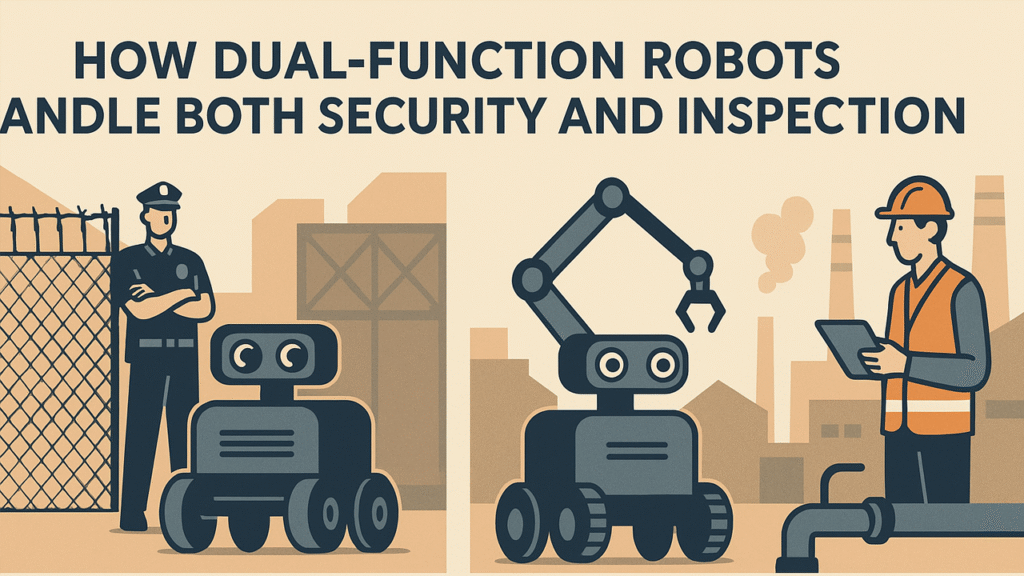
How Dual-Function Robots Handle Both Security and Inspection: The Future of Automated Surveillance
In an era where operational efficiency and security concerns are paramount, organizations across industries are discovering the transformative power of dual-function robots. These sophisticated machines are revolutionizing how businesses approach both security monitoring and routine inspections, offering unprecedented versatility that delivers exceptional return on investment.
The Evolution of Multi-Purpose Robotics
The traditional approach to security and inspection has long required separate systems, dedicated personnel, and significant ongoing costs. Security guards patrol premises while technical inspectors conduct routine maintenance checks, often working in isolation with limited coordination. This fragmented approach not only increases operational costs but also creates potential gaps in coverage and communication.
Dual-function robots represent a paradigm shift in this landscape. By integrating advanced sensor technology, artificial intelligence, and sophisticated mobility systems, these robots can seamlessly transition between security patrol duties and detailed inspection tasks, providing comprehensive coverage that human teams alone cannot match.
Core Technologies Enabling Dual Functionality
Advanced Sensor Integration
Modern dual-function robots incorporate multiple sensor arrays that serve both security and inspection purposes. High-resolution cameras with thermal imaging capabilities can detect unauthorized personnel while simultaneously identifying heat signatures that indicate equipment malfunctions. LiDAR sensors map environments for navigation while detecting structural changes or anomalies that require investigation.
AI-Powered Decision Making
Artificial intelligence enables these robots to make real-time decisions about task prioritization. When conducting routine inspections, the system can immediately switch to security mode upon detecting unusual activity. Machine learning algorithms continuously improve recognition accuracy, reducing false alarms while ensuring genuine threats and maintenance issues are never overlooked.
Autonomous Navigation Systems
Sophisticated mapping and navigation technologies allow these robots to operate independently across complex environments. They can navigate manufacturing floors, office buildings, warehouses, and outdoor facilities while maintaining optimal positioning for both security surveillance and inspection tasks.
Security Applications and Capabilities
Perimeter Monitoring
Dual-function robots excel at perimeter security, utilizing GPS tracking and geofencing technologies to patrol boundaries while conducting visual inspections of fencing, gates, and access points. Their consistent patrol patterns eliminate the predictability that can be exploited by potential intruders, while their detailed logging capabilities provide comprehensive audit trails.
Access Control Integration
These robots can integrate with existing access control systems, monitoring entry points and verifying credentials while simultaneously inspecting door mechanisms, lock functionality, and security hardware. This dual approach ensures both security compliance and preventive maintenance of critical access infrastructure.
Incident Response
When security events occur, dual-function robots can respond immediately, gathering evidence while assessing whether the incident has caused any damage to facilities or equipment. This integrated response reduces response times and provides comprehensive situational awareness to security teams.
Inspection Applications and Benefits
Routine Maintenance Monitoring
Regular equipment inspections are crucial for preventing costly breakdowns and ensuring regulatory compliance. Dual-function robots can conduct scheduled inspections of HVAC systems, electrical panels, plumbing infrastructure, and mechanical equipment while maintaining security vigilance throughout the facility.
Environmental Monitoring
These robots continuously monitor environmental conditions including temperature, humidity, air quality, and noise levels. This data supports both security objectives (detecting unusual environmental changes that might indicate security breaches) and maintenance objectives (identifying conditions that could lead to equipment failure).
Compliance Documentation
Automated inspection capabilities ensure consistent documentation of facility conditions, equipment status, and maintenance requirements. This systematic approach supports regulatory compliance while providing detailed records that can be invaluable for insurance claims and audit processes.
Industry-Specific Applications
Manufacturing Facilities
In manufacturing environments, dual-function robots patrol production floors, monitoring for unauthorized access while conducting quality control inspections and equipment monitoring. They can detect production anomalies, safety hazards, and security breaches within a single operational framework.
Healthcare Institutions
Hospitals and healthcare facilities benefit from robots that can monitor restricted areas for unauthorized access while conducting environmental monitoring to ensure sterile conditions and proper equipment functionality. These robots help maintain both security and health standards simultaneously.
Educational Institutions
Schools and universities utilize dual-function robots for campus security while conducting routine inspections of facilities, playground equipment, and building systems. This approach maximizes the value of robotic investment while ensuring comprehensive campus safety.
Commercial Real Estate
Office buildings and commercial complexes deploy these robots for tenant security and building maintenance monitoring. Property managers can ensure both security compliance and proactive maintenance management through a single robotic solution.
Cost-Effectiveness and ROI Considerations
The financial benefits of dual-function robots extend far beyond simple cost replacement calculations. While these systems can reduce staffing requirements for both security and inspection functions, their true value lies in improved efficiency, consistency, and risk reduction.
Traditional security and inspection approaches often suffer from human limitations including fatigue, inconsistency, and the inability to work continuously. Dual-function robots operate 24/7 without breaks, maintain consistent performance standards, and provide detailed documentation of all activities.
The prevention of security incidents and equipment failures through early detection often pays for robotic investments within the first year of deployment. Additionally, the comprehensive data collection capabilities of these systems support improved decision-making and resource allocation across organizations.
Implementation Challenges and Solutions
Integration with Existing Systems
Successful deployment of dual-function robots requires careful integration with existing security systems, building management systems, and operational procedures. Professional consultation ensures that robotic capabilities complement rather than complicate existing workflows.
Staff Training and Acceptance
Organizations must address potential concerns about job displacement while highlighting how robotic systems augment rather than replace human capabilities. Proper training programs help staff understand how to work alongside robotic systems effectively.
Customization Requirements
Different facilities have unique security and inspection requirements that may require customized robotic solutions. Working with experienced robotics consultants ensures that deployed systems meet specific operational needs while maximizing return on investment.
Future Developments and Trends
The robotics industry continues to advance rapidly, with emerging technologies promising even greater capabilities for dual-function systems. Improved artificial intelligence, enhanced sensor technologies, and better integration capabilities will expand the potential applications for these versatile machines.
Edge computing capabilities are enabling more sophisticated real-time decision-making, while improved battery technologies are extending operational periods. Advanced communication systems are facilitating better coordination between multiple robots and human operators.
Strategic Implementation Considerations
Organizations considering dual-function robotic systems should conduct comprehensive needs assessments to identify specific security and inspection requirements. This analysis should include current costs, identified gaps in coverage, and potential risk factors that robotic systems could address.
Pilot programs can help organizations understand the practical benefits and challenges of robotic deployment before committing to full-scale implementation. These programs also provide valuable data for calculating return on investment and refining operational procedures.
Professional Support and Expertise
The complexity of modern dual-function robots requires specialized knowledge for selection, implementation, and ongoing management. Professional robotics consultancy services provide essential expertise in system selection, integration planning, and operational optimization.
Expert consultation ensures that organizations select appropriate robotic solutions for their specific needs while avoiding common implementation pitfalls. Professional support also helps organizations maximize the value of their robotic investments through proper training, maintenance planning, and continuous optimization.
Conclusion
Dual-function robots represent a significant advancement in operational efficiency, offering organizations the ability to address both security and inspection requirements through sophisticated, integrated systems. These versatile machines provide 24/7 coverage, consistent performance, and comprehensive documentation while reducing operational costs and improving risk management.
The successful implementation of dual-function robotic systems requires careful planning, professional expertise, and ongoing support. Organizations that invest in proper consultation and implementation support can achieve significant operational improvements while positioning themselves at the forefront of technological advancement.
As robotics technology continues to evolve, the capabilities and applications of dual-function systems will expand, offering even greater value to organizations across all industries. The question is not whether to adopt these technologies, but how quickly organizations can implement them to gain competitive advantages in security, efficiency, and operational excellence.
Transform Your Operations with Expert Robotics Solutions
Ready to explore how dual-function robots can revolutionize your security and inspection operations? Our team of robotics experts is standing by to help you discover the perfect solution for your organization’s unique needs.
Get Started Today:
- Email: sales@robotcenter.co.uk
- Phone: 0845 528 0404
Book your consultation call now to discuss your specific requirements and learn how dual-function robots can deliver immediate value to your operations. Our comprehensive robotics consulting and recruitment services ensure you have the expertise and personnel needed for successful implementation.
This article is proudly sponsored by:
Robot Center – https://robotcenter.co.uk/
Your premier destination for robot purchasing, sales, and comprehensive robotics consultancy services. From initial needs assessment to full implementation support, Robot Center provides end-to-end solutions for organizations embracing robotic automation.
Robots of London – https://robotsoflondon.co.uk/
London’s leading robot hire and rental service provider. Whether you need short-term robot deployment for events, pilot programs, or temporary operational support, Robots of London offers flexible rental solutions with comprehensive support services.
Robot Philosophy – https://robophil.com/
Specialized robot consultancy and recruitment services providing strategic insights, implementation advice, and expert personnel placement. Robot Philosophy bridges the gap between robotics innovation and practical business applications through expert consultation and talent acquisition.