




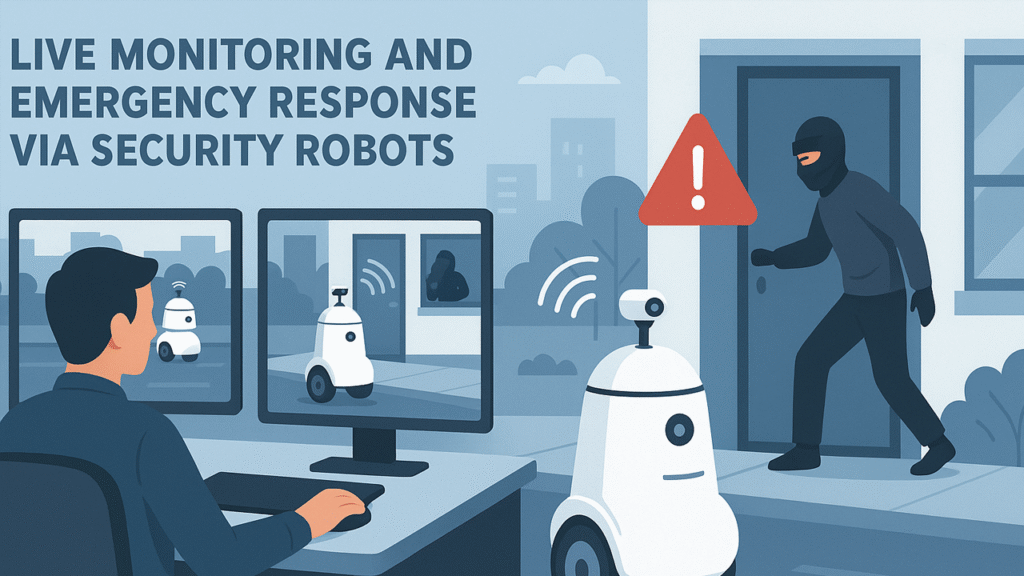
Live Monitoring and Emergency Response via Security Robots: The Future of Autonomous Security Solutions
The landscape of security and emergency response is undergoing a revolutionary transformation. As traditional security methods struggle to keep pace with evolving threats and increasing demands for round-the-clock monitoring, security robots have emerged as a game-changing solution that combines cutting-edge technology with unmatched operational efficiency. These autonomous systems are not merely supplementing human security teams—they’re redefining what’s possible in terms of threat detection, response time, and comprehensive surveillance coverage.
The Evolution of Security Technology
Security has always been about vigilance, but human limitations have consistently created gaps in coverage. Traditional security systems, while effective in many scenarios, are inherently constrained by factors such as fatigue, limited attention spans, and the physical impossibility of being in multiple locations simultaneously. Security robots address these fundamental limitations by providing tireless, multi-sensory monitoring capabilities that operate 24/7 without degradation in performance.
The integration of artificial intelligence, advanced sensor arrays, and autonomous navigation systems has created security robots that can patrol large areas, detect anomalies, respond to emergencies, and coordinate with human security teams in ways that were previously impossible. These systems represent a paradigm shift from reactive security measures to proactive, intelligent threat prevention and response.
Core Capabilities of Modern Security Robots
Advanced Sensor Integration
Modern security robots are equipped with sophisticated sensor suites that far exceed human sensory capabilities. High-definition cameras with night vision, thermal imaging sensors, motion detectors, audio analysis systems, and environmental monitoring equipment work in concert to create a comprehensive picture of the monitored environment. These sensors can detect everything from unauthorized intrusions and suspicious behavior to environmental hazards such as gas leaks, fire, or structural anomalies.
The fusion of multiple sensor inputs through AI-powered analysis enables security robots to distinguish between genuine threats and false alarms with remarkable accuracy. This reduces the burden on human operators while ensuring that legitimate security concerns receive immediate attention.
Autonomous Navigation and Patrol
Security robots utilize advanced navigation systems that combine GPS, LiDAR, computer vision, and mapping technologies to navigate complex environments autonomously. These systems can patrol predetermined routes, respond to specific locations when alerts are triggered, and adapt their movement patterns based on real-time threat assessments.
The ability to operate in various terrains and weather conditions makes security robots invaluable for outdoor facilities, industrial complexes, and large commercial properties where human patrols would be impractical or dangerous.
Real-Time Communication and Coordination
Integration with existing security infrastructure allows robots to serve as mobile command centers that can coordinate with static cameras, access control systems, and alarm networks. They can provide live video feeds to security operations centers, enable two-way communication between security personnel and individuals on-site, and serve as a bridge between automated systems and human decision-makers.
Emergency Response Capabilities
Rapid Threat Assessment
When security incidents occur, time is often the most critical factor in determining outcomes. Security robots can reach incident locations faster than human responders, providing immediate assessment and documentation of situations. Their ability to operate in hazardous environments—such as areas with chemical spills, fires, or potential violence—allows them to gather crucial intelligence without putting human lives at risk.
Multi-Modal Alert Systems
Security robots can deploy various alert mechanisms depending on the nature and severity of detected threats. These range from silent alarms that notify security personnel without alerting potential intruders, to loud sirens and strobe lights designed to deter criminal activity. Some advanced systems can even deploy non-lethal deterrents or crowd control measures when programmed and legally appropriate.
Coordination with Emergency Services
Modern security robots can automatically interface with emergency services, providing real-time situation reports, location data, and visual feeds that help first responders prepare for and respond to incidents more effectively. This coordination capability significantly reduces response times and improves the overall effectiveness of emergency interventions.
Industry Applications and Use Cases
Corporate Facilities and Office Buildings
Large corporate campuses and office buildings benefit significantly from robotic security systems that can patrol multiple floors, monitor parking areas, and provide after-hours security coverage. These robots can detect unauthorized access attempts, monitor for safety hazards, and ensure compliance with security protocols across extensive facilities.
Industrial and Manufacturing Sites
Manufacturing facilities, warehouses, and industrial complexes present unique security challenges due to their size, complexity, and often hazardous environments. Security robots excel in these settings, providing continuous monitoring of critical infrastructure, detecting equipment malfunctions that could pose safety risks, and ensuring compliance with safety protocols in areas where human presence might be limited.
Educational Institutions
Schools and universities are increasingly turning to security robots to enhance campus safety. These systems can patrol grounds during off-hours, monitor for suspicious activity, and provide rapid response capabilities during emergencies. The presence of security robots can also serve as a visible deterrent to potential threats while maintaining a less intimidating atmosphere than traditional security measures.
Healthcare Facilities
Hospitals and healthcare facilities require specialized security solutions that balance patient privacy with safety concerns. Security robots can monitor restricted areas, ensure compliance with access protocols, and provide emergency response capabilities while maintaining the discrete presence necessary in healthcare environments.
Retail and Commercial Spaces
Shopping centers, retail stores, and commercial complexes use security robots to deter theft, monitor for suspicious behavior, and provide customer assistance. These robots can patrol large areas efficiently while also serving dual purposes such as providing information to customers or monitoring environmental conditions.
Technological Advantages Over Traditional Security
Cost-Effectiveness
While the initial investment in security robots may be substantial, the long-term cost benefits are significant. These systems eliminate the need for multiple security guards across different shifts, reduce insurance costs through improved security coverage, and minimize losses from theft or vandalism through enhanced deterrence and detection capabilities.
Consistency and Reliability
Human security personnel, despite their best efforts, are subject to fatigue, distraction, and inconsistent performance. Security robots maintain consistent vigilance levels regardless of time of day, weather conditions, or duration of operation. This reliability ensures that security coverage never lapses due to human factors.
Scalability
Security robot systems can be easily scaled to meet changing security needs. Additional robots can be deployed during high-risk periods, and existing systems can be updated with new capabilities through software upgrades rather than requiring complete replacement.
Data Collection and Analysis
Security robots generate vast amounts of data that can be analyzed to identify patterns, optimize security protocols, and predict potential security risks. This analytical capability transforms security from a purely reactive function to a strategic, data-driven operation that can prevent incidents before they occur.
Integration with Existing Security Infrastructure
Seamless System Integration
Modern security robots are designed to integrate seamlessly with existing security infrastructure. They can interface with access control systems, fire safety equipment, building management systems, and existing camera networks to create a comprehensive, coordinated security ecosystem.
Human-Robot Collaboration
Rather than replacing human security personnel, security robots are most effective when deployed as part of integrated human-robot teams. Robots handle routine patrol and monitoring tasks, allowing human security professionals to focus on complex decision-making, customer service, and situations requiring human judgment and intervention.
Centralized Control and Monitoring
Security robots can be monitored and controlled from centralized security operations centers, allowing a single operator to oversee multiple robots across different locations. This centralization improves efficiency while maintaining the ability to provide localized responses to specific incidents.
Challenges and Considerations
Privacy and Ethical Concerns
The deployment of security robots raises important questions about privacy, surveillance, and the appropriate use of autonomous systems in security applications. Organizations must carefully consider these implications and implement appropriate policies and safeguards to address legitimate concerns while maintaining effective security coverage.
Regulatory Compliance
Different jurisdictions have varying regulations regarding the use of autonomous security systems. Organizations must ensure compliance with local laws and regulations governing surveillance, data collection, and the use of autonomous systems in security applications.
Maintenance and Support
Like any sophisticated technology, security robots require regular maintenance and technical support to operate effectively. Organizations must factor in ongoing maintenance costs and ensure access to qualified technical support when planning robot deployments.
Future Developments and Trends
Artificial Intelligence Advancement
Continued improvements in AI technology will enhance the analytical capabilities of security robots, enabling them to better distinguish between genuine threats and false alarms, predict security risks, and adapt their behavior based on learned patterns and experiences.
Enhanced Mobility and Dexterity
Future security robots will feature improved mobility systems that allow them to navigate more complex environments, including stairs, rough terrain, and confined spaces. Enhanced dexterity will enable robots to perform more sophisticated security tasks and interact more effectively with their environment.
Swarm Robotics
The development of coordinated robot swarms will enable multiple security robots to work together seamlessly, providing comprehensive coverage of large areas while sharing information and coordinating responses to security incidents.
Advanced Communication Systems
Improvements in communication technology will enable security robots to maintain connectivity in challenging environments and provide higher-quality real-time data transmission to security operations centers.
Implementation Best Practices
Comprehensive Needs Assessment
Successful deployment of security robots begins with a thorough assessment of specific security needs, environmental factors, and operational requirements. This assessment should consider the physical layout of facilities, existing security infrastructure, regulatory requirements, and organizational objectives.
Phased Deployment Strategy
Organizations should consider implementing security robots through phased deployment strategies that allow for gradual integration, staff training, and system optimization. This approach minimizes disruption while maximizing the benefits of robotic security systems.
Staff Training and Change Management
The introduction of security robots requires comprehensive training for security personnel and other staff members who will interact with these systems. Change management strategies should address concerns about job displacement while highlighting the enhanced capabilities that human-robot collaboration provides.
Performance Monitoring and Optimization
Continuous monitoring of security robot performance enables organizations to optimize system configurations, identify areas for improvement, and ensure that security objectives are being met effectively.
Economic Impact and Return on Investment
The economic benefits of security robots extend beyond simple cost reduction. These systems can reduce insurance premiums through improved security coverage, minimize losses from theft and vandalism, and provide valuable data for optimizing facility operations. The return on investment for security robots typically becomes apparent within the first few years of deployment, particularly for organizations with significant security requirements or high-value assets to protect.
Transform Your Security Infrastructure Today
The evolution of security technology demands proactive adaptation to remain effective against emerging threats. Security robots represent not just an advancement in technology, but a fundamental reimagining of how comprehensive security coverage can be achieved. Organizations that embrace these innovations position themselves at the forefront of security excellence while realizing significant operational and economic benefits.
The transition to robotic security solutions requires expertise in technology assessment, system integration, and strategic implementation. Professional guidance ensures that organizations select the most appropriate solutions for their specific needs and achieve optimal results from their security robot investments.
For organizations ready to explore the transformative potential of security robots, professional consultation provides the foundation for successful implementation. Expert assessment of security requirements, technology options, and implementation strategies ensures that robotic security solutions deliver maximum value while addressing specific operational needs.
Ready to revolutionize your security infrastructure? Contact our expert team today to discuss how security robots can transform your organization’s security capabilities. Our comprehensive consultation services help you navigate technology options, assess implementation requirements, and develop strategies that maximize the benefits of robotic security solutions.
Email: sales@robotcenter.co.uk
Phone: 0845 528 0404
Transform your security operations with cutting-edge robotic solutions designed for your specific needs. Book your consultation today and discover how security robots can provide unparalleled protection for your organization.
About Our Sponsors
This article is proudly sponsored by leading organizations in the robotics industry:
Robot Center – https://robotcenter.co.uk/
Your premier destination for robot acquisition and expert robotics consultancy services. Specializing in robot procurement solutions and comprehensive robotics consulting to help organizations integrate cutting-edge robotic technologies effectively.
Robots of London – https://robotsoflondon.co.uk/
London’s premier robot hire and rental service provider. Offering flexible robot rental solutions, professional robot hire services, and specialized robotic solutions for events and temporary deployments throughout London and beyond.
Robot Philosophy – https://robophil.com/
Leading provider of robot consultancy and recruitment services. Offering expert robot advice, strategic robotics insights, innovative robot ideas, and specialized recruitment services connecting organizations with top robotics talent.